
Toilet keeps running
A running toilet can involve the flapper or seal, fill valve, float, chain, flush valve, water level, or other tank components. Note whether the water runs continuously or cycles on and off.
Toilet problems range from a constantly running tank or weak flush to recurring clogs, leaks, loose mounting, refill noise, cracked components, or an overflow. Start with the symptom and whether the problem is isolated to one toilet or appears alongside slow drains or backups elsewhere in the property.
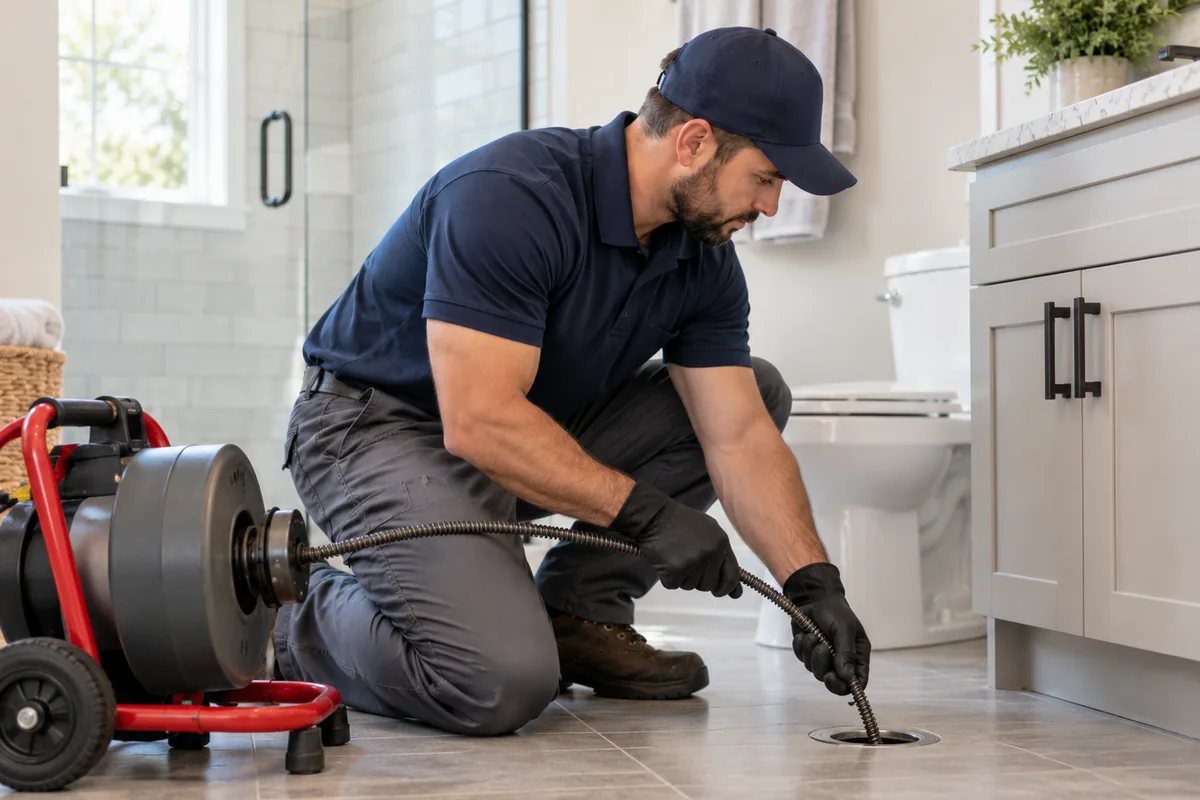
Use this guide to understand common toilet repair situations, organize the symptoms or project details, and prepare for a service conversation. Quick Home Services connects service requests with independent professionals and does not diagnose or quote property-specific work online.
Describe what you can see, hear, smell, or feel at the property. A clear symptom is more useful than guessing which part has failed.
A running toilet can involve the flapper or seal, fill valve, float, chain, flush valve, water level, or other tank components. Note whether the water runs continuously or cycles on and off.
Repeated clogs can involve the toilet, trapway, drain branch, venting, or a wider drain or sewer problem. Mention whether other fixtures are also slow or backing up.
Leaks can come from supply connections, tank hardware, the tank-to-bowl connection, condensation, cracks, or the floor seal. Avoid using a fixture that is actively leaking onto finishes or below the floor.
Movement at the floor, damaged porcelain, repeated repairs, remodeling, accessibility goals, or water-use concerns can lead to installation or replacement planning.
Similar symptoms can have different causes. These are broad categories to help you understand what may be inspected, not a remote diagnosis.
Flappers, fill valves, flush valves, gaskets, bolts, handles, chains, and water-level settings can affect running, refill, flushing, and leakage.
A clog in the toilet or branch drain, buildup, an object, or a wider drainage problem can affect flushing and may require more than fixture repair.
A failed floor seal, loose flange, supply connection, cracked component, or unstable mounting can cause leakage or movement and should be evaluated before continued use.
Explain what is happening now and whether you are seeking repair, replacement, installation, maintenance, or an evaluation. For toilet repair, equipment age, visible damage, recent changes, and urgency can all be useful.
The service professional may inspect the relevant equipment, piping, controls, connections, airflow, drainage, or other system components before recommending a scope of work.
Before authorizing work, confirm what is included, expected timing, warranty terms when offered, permits or code-related requirements when applicable, and whether repair or replacement alternatives should be considered.
You do not need to diagnose the problem yourself. These details can help the first conversation focus on the right service category and level of urgency.
For severe flooding, sewage exposure, a suspected gas leak, water near energized electrical equipment, or another immediate danger, keep away from the hazardous area and contact the appropriate emergency or utility service before arranging routine plumbing work.
Browse currently available Quick Home Services locations for local service information and the dedicated phone line for your service request.
Call 24/7 about drain cleaning, clogged drains, slow drains, recurring backups, toilet clogs, sewer odors, and main drain service needs.
View Drain cleaning guideCall 24/7 about urgent plumbing problems, active leaks, burst pipes, overflowing fixtures, sewer backups, and emergency plumbing service availability.
View Emergency plumber guideCall 24/7 about plumbing leak repair, leaking pipes, burst pipes, hidden water leaks, slab leak concerns, fixture leaks, and urgent leak service.
View Leak repair guideCommon categories include a flapper or seal that does not close, a fill-valve or float problem, an incorrect water level, a chain issue, or another tank component that allows water to keep flowing.
Recurring clogs can involve the toilet trapway, drain branch, venting, excessive paper or unsuitable items, or a larger drain or sewer restriction. Other slow fixtures are an important clue.
Consider the cause of the problem, fixture condition, cracks, mounting or flange issues, frequency of repairs, flushing performance, water use, accessibility needs, and the installed cost of replacement.
Yes. Use the Plumbing line, describe whether the toilet is running, clogged, leaking, overflowing, loose, or being replaced, and ask about current availability.
Call the dedicated Plumbing line, describe the symptoms, and ask about current availability in your area.