Burst or actively leaking pipe
A fast leak can damage walls, ceilings, floors, cabinets, and belongings. Explain where the water is coming from and whether a safe local or main shutoff is accessible.
An urgent plumbing problem is usually about limiting water damage, sanitation risk, loss of an essential fixture, or another condition that should not be left unattended. The Plumbing line is answered 24/7 so you can explain the problem and ask about current service availability.
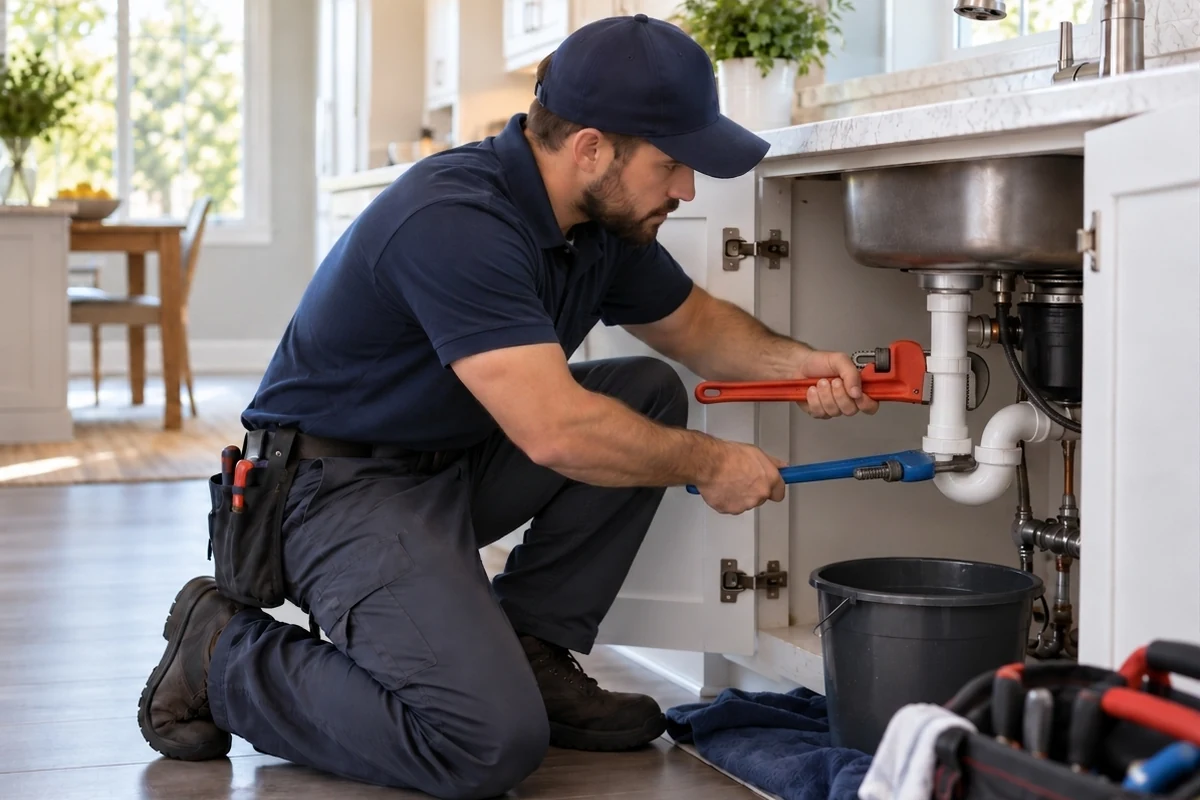
If water is actively damaging the property, identify the source if it is safe to do so and keep people away from electrical hazards or contaminated water. Do not take risks to reach a shutoff valve.
Describe what you can see, hear, smell, or feel at the property. A clear symptom is more useful than guessing which part has failed.
A fast leak can damage walls, ceilings, floors, cabinets, and belongings. Explain where the water is coming from and whether a safe local or main shutoff is accessible.
Stop using the affected fixture and, if safe, shut off its local water supply. Repeated overflows may involve a fixture clog, drain problem, or main-line issue.
Wastewater entering fixtures or the property can create a sanitation concern. Avoid contact with contaminated water and arrange appropriate plumbing help.
A sudden loss of water or pressure may involve the utility, a main line, a valve, frozen piping, or a property plumbing issue. Check whether nearby properties are affected if it is easy to confirm.
An active leak, no hot water, unusual noise, or gas/electrical concern may require prompt attention depending on the symptom and property needs.
Water near panels, outlets, appliances, or energized equipment can create an electrical hazard. Keep clear and contact appropriate emergency help when needed.
Similar symptoms can have different causes. These are broad categories to help you understand what may be inspected, not a remote diagnosis.
Corrosion, freezing, damaged fittings, supply-line failures, pressure problems, or physical damage can lead to active leaks.
A severe clog or main-line obstruction can cause repeated backups, overflowing fixtures, and wastewater problems.
Toilets, faucets, disposals, water heaters, supply hoses, and other connected equipment can develop leaks or stop functioning.
A main line, pressure regulator, shutoff valve, or utility-side issue can affect water supply or pressure throughout the property.
Start with active water, sewer backup, loss of essential service, or any electrical or gas concern so the urgency is clear.
The service professional may evaluate the fixture, drain, pipe, water heater, sewer connection, main line, valves, or pressure system depending on the complaint.
Ask whether the proposed work is a temporary stop, a full repair, or the first stage of a larger replacement. Confirm price and scope before authorizing work.
You do not need to diagnose the problem yourself. These details can help the first conversation focus on the right service category and level of urgency.
For flooding that creates an electrical hazard, a suspected gas leak, fire, or another immediate safety emergency, leave the dangerous area and contact the appropriate emergency or utility service before routine plumbing work.
Browse currently available Quick Home Services locations for local service information and the dedicated phone line for your service request.
Call 24/7 about plumbing leak repair, leaking pipes, burst pipes, hidden water leaks, slab leak concerns, fixture leaks, and urgent leak service.
View Leak repair guideCall 24/7 about drain cleaning, clogged drains, slow drains, recurring backups, toilet clogs, sewer odors, and main drain service needs.
View Drain cleaning guideCall 24/7 about water heater repair, no hot water, leaks, temperature problems, tankless units, gas or electric water heaters, and replacement questions.
View Water heater repair guideThe Plumbing line is answered 24/7. Describe the problem and ask about current service availability. Call-answering availability does not guarantee a specific arrival time.
Active pipe leaks, burst pipes, sewer backups, overflowing fixtures, major water loss, water near electrical equipment, and some water-heater failures can justify faster attention.
Only if you know how to do it safely and the situation calls for it. Do not enter a flooded or electrically hazardous area just to reach a shutoff.
Yes. Tell the Plumbing line where the leak is, how quickly water is escaping, and whether the affected section or main water supply can be safely shut off.
Call the dedicated Plumbing line, describe the symptoms, and ask about current availability in your area.