
No heat
The system may not start, may run without producing heat, or may stop before the property warms. Mention the thermostat setting, indoor temperature, and whether airflow is present.
Heating repair can involve furnaces, heat pumps, thermostats, air handlers, ductwork, controls, and other system components. Start with the symptom: no heat, weak heat, uneven rooms, short cycling, unusual noise, or a system that does not respond to the thermostat.
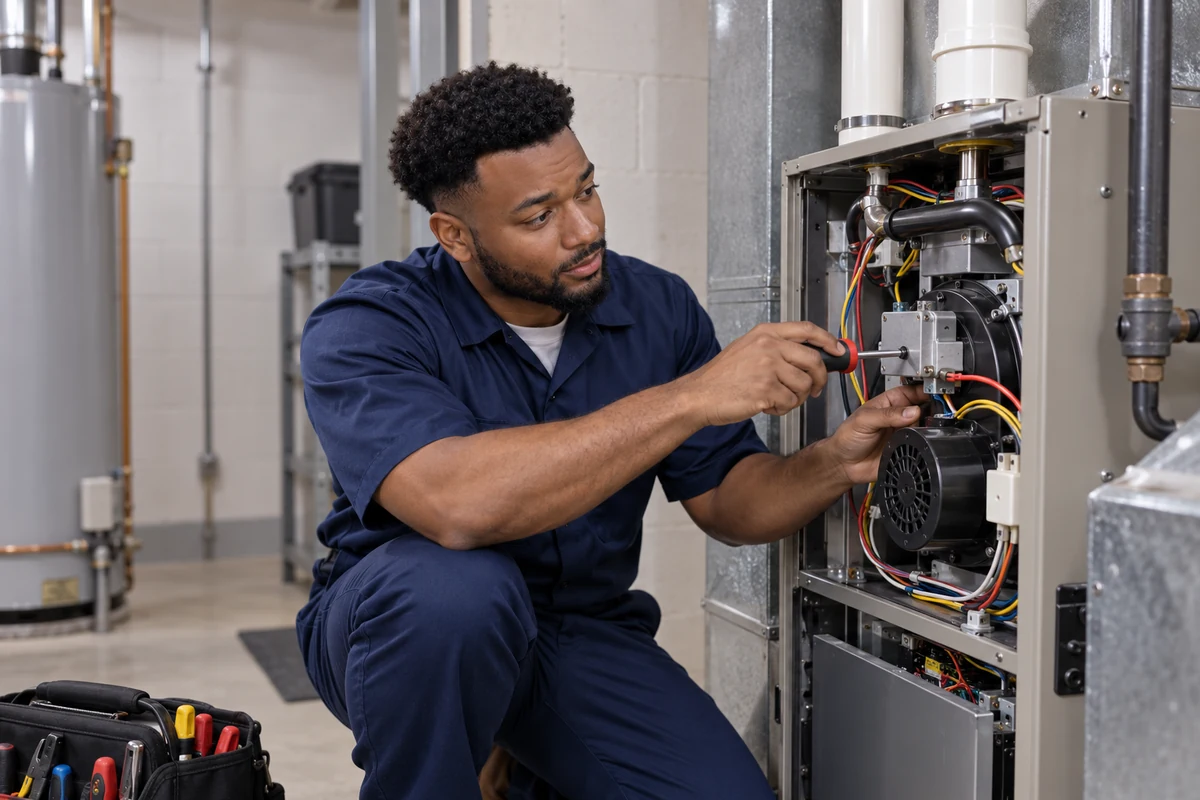
A clear description of the heating problem helps a service professional decide what to inspect first. Equipment type, weather conditions, and whether the system is operating at all are especially useful details.
Describe what you can see, hear, smell, or feel at the property. A clear symptom is more useful than guessing which part has failed.
The system may not start, may run without producing heat, or may stop before the property warms. Mention the thermostat setting, indoor temperature, and whether airflow is present.
Rooms that stay cold can be related to airflow, ducts, zoning, equipment capacity, controls, or building conditions. Note which rooms are affected and whether the issue is new.
Heat pumps can have refrigeration, defrost, control, airflow, electrical, or auxiliary-heat issues. Mention whether the outdoor unit is running and whether the system changes behavior in colder weather.
Frequent on-and-off operation can involve airflow, controls, overheating protection, thermostat location, equipment sizing, or other faults.
Rattling, grinding, squealing, banging, or other new noises can indicate loose, worn, or failing components. Severe noise or burning odor is a reason to shut the system down.
Thermostat communication, power, controls, safety switches, furnace or heat-pump components, and wiring can all affect system response.
Similar symptoms can have different causes. These are broad categories to help you understand what may be inspected, not a remote diagnosis.
Settings, batteries, wiring, sensors, control boards, and equipment safety logic can affect heating operation.
Filters, blower components, ducts, dampers, and registers can influence comfort and system performance.
Different heating systems use different components. A qualified professional can test the equipment and identify the failed part rather than replacing parts by guesswork.
Deferred maintenance and normal wear can increase the chance of breakdowns. Repeated repairs on older equipment may justify a replacement discussion.
Describe whether the equipment starts, what comes from the vents, and how indoor temperature changes over time.
The service professional may inspect thermostat operation, airflow, electrical controls, furnace or heat-pump components, safety devices, and system condition.
Ask for the repair scope, price, parts, warranty, and whether another option should be considered before approving work.
You do not need to diagnose the problem yourself. These details can help the first conversation focus on the right service category and level of urgency.
A suspected gas leak, carbon-monoxide alarm, smoke, or fire is not a routine repair situation. Leave the affected area and contact the appropriate emergency or utility service first.
Browse currently available Quick Home Services locations for local service information and the dedicated phone line for your service request.
Call 24/7 about furnace repair, no heat, cold air from vents, short cycling, unusual furnace noises, ignition problems, and heating-system service needs.
View Furnace repair guideCall 24/7 about urgent HVAC repair needs, no cooling, no heat, system shutdowns, unusual HVAC odors, leaks, and emergency heating or AC service availability.
View Emergency HVAC repair guideCall 24/7 about AC repair, air conditioner problems, AC not cooling, warm air, frozen coils, weak airflow, water leaks, and central air service needs.
View AC repair guideHeating repair can include furnace, heat-pump, thermostat, air-handler, blower, control, airflow, and other system problems that prevent normal heating or comfort.
Yes. The HVAC line is answered 24/7. Describe the heating failure and ask about current service availability; a specific arrival time is not guaranteed.
Uneven heating can involve airflow, ducts, registers, zoning, insulation, thermostat location, or equipment performance. An on-site evaluation can help separate building issues from HVAC issues.
Furnace repair is one type of heating repair. Heating service can also involve heat pumps, thermostats, air handlers, controls, ductwork, and other heating equipment.
Call the dedicated HVAC line, describe the symptoms, and ask about current availability in your area.