
Repeated furnace breakdowns
Frequent ignition, blower, control, or heating problems can make a repair-versus-replacement comparison worthwhile.
Furnace replacement planning should account for the building's heating needs, fuel and venting requirements, airflow, ductwork, thermostat controls, efficiency, safety, and total project scope. Replacing an older furnace with a properly selected and commissioned system can also be an opportunity to correct comfort or airflow problems.
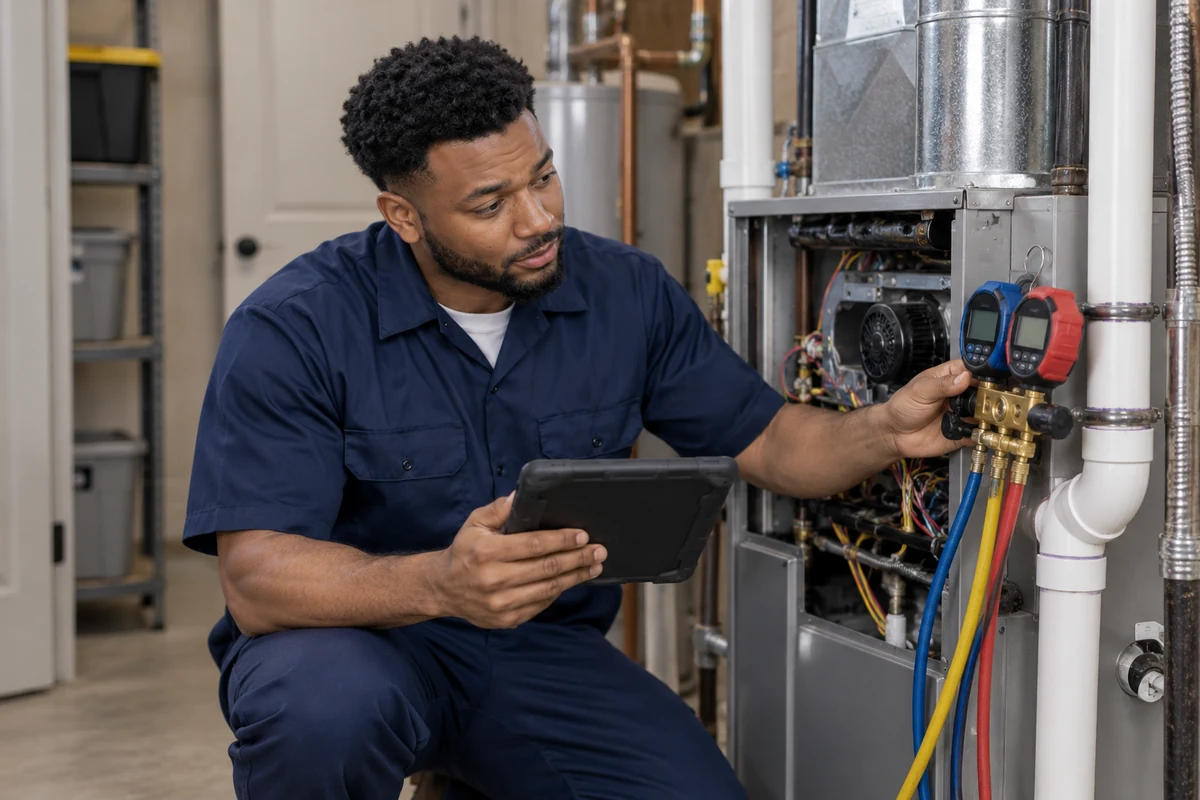
Use this guide to understand common furnace installation situations, organize the symptoms or project details, and prepare for a service conversation. Quick Home Services connects service requests with independent professionals and does not diagnose or quote property-specific work online.
Describe what you can see, hear, smell, or feel at the property. A clear symptom is more useful than guessing which part has failed.
Frequent ignition, blower, control, or heating problems can make a repair-versus-replacement comparison worthwhile.
For a costly repair, ask how the repair compares with replacement cost, warranty, expected service life, and the condition of the rest of the furnace.
Comfort problems can involve furnace output, ductwork, airflow, controls, insulation, or building load and should be evaluated before selecting replacement equipment.
Changing fuel type, adding a heat pump, remodeling, or replacing an old system can affect electrical, venting, gas, duct, and control requirements.
Similar symptoms can have different causes. These are broad categories to help you understand what may be inspected, not a remote diagnosis.
A contractor may evaluate the building's heating load rather than automatically matching the old furnace capacity.
Gas and other combustion equipment require correct fuel supply, venting, clearances, drainage where applicable, and safety commissioning.
Blower setup, filters, return air, supply ducts, thermostat compatibility, and system controls all affect comfort and reliability.
Explain what is happening now and whether you are seeking repair, replacement, installation, maintenance, or an evaluation. For furnace installation, equipment age, visible damage, recent changes, and urgency can all be useful.
The service professional may inspect the relevant equipment, piping, controls, connections, airflow, drainage, or other system components before recommending a scope of work.
Before authorizing work, confirm what is included, expected timing, warranty terms when offered, permits or code-related requirements when applicable, and whether repair or replacement alternatives should be considered.
You do not need to diagnose the problem yourself. These details can help the first conversation focus on the right service category and level of urgency.
For smoke, fire, sparking, a suspected gas leak, carbon-monoxide concern, or another immediate danger, leave the affected area and contact the appropriate emergency or utility service before arranging routine HVAC work.
Browse currently available Quick Home Services locations for local service information and the dedicated phone line for your service request.
Call 24/7 about furnace repair, no heat, cold air from vents, short cycling, unusual furnace noises, ignition problems, and heating-system service needs.
View Furnace repair guidePlan HVAC installation or replacement, compare repair versus replacement, discuss sizing, efficiency, comfort, warranties, ductwork, and project scope.
View HVAC installation guideCall 24/7 about heating repair, heater problems, no heat, uneven heating, heat pumps, furnaces, thermostats, and residential heating-system service needs.
View Heating repair guideReplacement may be worth comparing when an older furnace has frequent failures, a major repair, poor comfort, rising operating costs, safety concerns identified by a professional, or limited parts availability.
Cost varies by capacity, efficiency, fuel type, venting, ducts, controls, access, permits, and local labor. Compare complete installed scopes and warranties rather than furnace price alone.
Sometimes pairing equipment can improve compatibility or project efficiency, but it is not always required. Ask how the indoor and outdoor components, controls, blower, and warranties interact in your specific system.
Yes. Use the HVAC line, provide your service area and current system details, and ask about installation or replacement availability.
Call the dedicated HVAC line, describe the symptoms, and ask about current availability in your area.